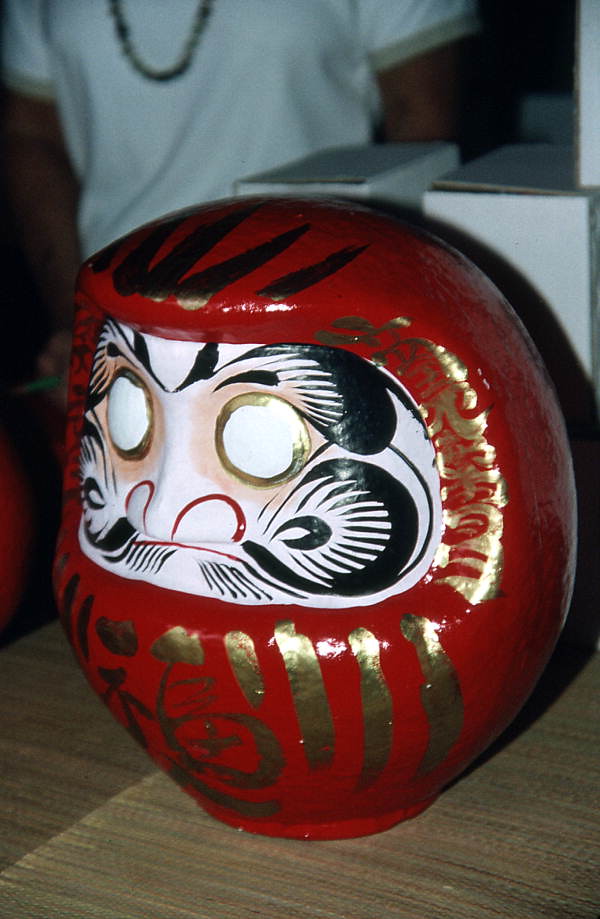
Daruma Doll New Year. Large and small daruma dolls are seen at the daruma doll market in takasaki, gunma prefecture, on jan. In other words, it is the origin of japanese daruma.
Daruma doll on display during Japanese New Year's celebrat… Flickr from www.flickr.com World New Year Celebrations
The New Year is the beginning of the calendar year. The day on which when the number of days in the calendar year is increased by one. The New Year is celebrated in many cultures, though the Gregorian Calendar is the most popular calendar system. Read on to learn more about the various traditions that are associated with this celebration. Make sure to take time to indulge in delicious food
Respect
Every culture has its own traditions to celebrate the new year. Many people mark the beginning of the year with religious ceremonies. Buddhists and Hindus offer gifts to their elders. Chinese offer oblations of gratitude to their gods. The celebrations are also an ideal time to receive and give best wishes from family members and acquaintances.
New Year's Day's history can be traced to the seventh century, which was when pagans observed Jesus' Annunciation. Some religious leaders were against the custom of celebrating New Year on the same anniversary of Jesus was born. The custom of giving gifts on this day was established in Flanders, Netherlands in the 7th-century. It is believed that the Gregorian calendar had an impact on the way of celebrating the beginning of the year. Julius Caesar thought to have named the month Janus (the Roman god of beginnings). Janus was able to see the past as well as the future through the two faces of his.
Today, New Year's Day can be observed in many countries on January 1st. The Gregorian calendar recognizes the start of the year as January 1. Other calendars, such as the Julian one, start the year on a different date. Numerous cultures acknowledge the significance of celebrating New Year's Day and the new beginning it gives.
Traditions
There are many traditions that celebrate the new year. They are celebrated in different cultures and countries across the globe. If you want to celebrate with the traditional food, buy gifts for your family and friends or begin a new business There are a variety of ways to kick off your new year.
New Year's Eve festivities begin on December 31st and will end in the early hours of January 1. Foods are a favorite among people associated with luck. Grapes and legumes for instance are thought to bring luck. The same way, fireworks will be lit to welcome the new year in America.
Another tradition is to eat cabbage on New Years Day. The belief is that it can bring prosperity and wealth during the coming year. In New York City, the massive ball dropping in Times Square is a tradition that's been a part of New Year celebrations since 1907. The huge sphere weighs 12,000 pounds today.
"Podariko" is a Mediterranean tradition that is commonly observed on New Year's Eve. This means "good shoes." The custom has its roots in the notion that pomegranates bring lucky and fertility. The custom is to hang pomegranates front of their homes to greet guests prior to the holiday. Lucky are those who can walk with their right foot to the home.
Religion
A lot of countries mark the beginning of the new year by celebrating religious holidays. Japan is one of the most notable examples. On Rosh HaShanaha people offer gifts to Buddhist monks. China marks the start of an new year by offering gifts to the gods that bring wealth, happiness, and strength in addition to their ancestors. A national holiday is used in a few regions around the world to commemorate the beginning of the new year.
Orthodox Christians in Britain celebrate the new Year with liturgies. Many attend blessings given of famous Orthodox Christian figures. Some celebrate by hosting dinner parties, social dinners, and meals. It is also possible to light fireworks to celebrate the start of the new year. No matter how you take part, keep in mind that it's the beginning of the new year.
Food
The New Year's Day dinner includes traditional dishes as well as festive food. Traditional extravagant and rich dishes could consist of Champagne or oysters. Smoked salmon, foie gras and many other traditional food items are also available. The main course will usually be a dish of poultry, such as goose, turkey, or cornish hen, but there are many alternatives. Other popular dishes for a new Year dinner include venison and lobster.
The food items aren't mandatory, but many cultures consider them to be a symbol of the beginning of the year. Grapes are a source of luck in many nations. People eat grapes for each chime that rings at the end of every year. This is symbolic of good fortune and luck for the year ahead.
In many parts of Asia the fish is the symbol of prosperity, abundance, and prosperity. For example in Japan, New Year's Day means eating herring , which is an indication of abundance and prosperity. Pickled herring from Scandinavia is also linked to abundance. The Swedes believe that eating huge quantities of fish can be a source of luck.
Holidays
Different cultures celebrate holidays in the New Year with special foods. Many countries celebrate the New Year with eating symbolic foods such as cabbage, which is considered to bring luck. Americans are known to celebrate their black-eyed holiday with black-eyed pear, believed to bring good luck. Asian cultures also celebrate their holidays by eating special food. The most elaborate dishes contain ingredients that are symbolically named or made.
The time of the holiday spans between one to four days. The New Year's Day falls on the first day of January. The New Year will be celebrated on the Saturday of 2022. Thus, the New Year's holiday will run for 3.25 days.
Apart from the four days of bank holiday to celebrate New Year's Eve, there are a variety of other bank holidays which fall on days other from those listed. A bank holiday lasting four days will be observed in 2022 in celebration of the Queen's Platinum Jubilee celebration. The Queen's birthday day, December 28 is the ideal day to have three days off.
The year's end is a time of celebration. People are able to let go the past and focus on the future with a better outlook. Students are able to take time off from class and this is a great time for family time.
Date
In the majority of countries there are many countries where the New Year begins in January. People mark the New Year with music, dancing, and exchanging presents. It is the most ancient celebration in the world, and was founded in Babylon. The festival was originally celebrated for 11 consecutive days during the spring. The date of the festival was changed this year to celebrate the birth of Jesus Christ.
Since 1582 the date of the New Year has changed slightly across the world. In 1582 the Pope Gregory XIII changed the calendar by moving the New Year to the first day of January to keep the equilibrium between the seasons and calendar. After a while The New Year's Day was moved to January 1.
The New Year is also celebrated in many other cultures. The Chinese celebrate the Lunar New Year on February 11th and 26th, and the Hindus are celebrating the Hindu New Year on February 20th. The solar- and lunar cycles make up the Hindu panchanga. The Hindu calendar was created in the year 57 BC and was based on the seasons and days. The Hindu Year is a leap year, and its date is different each year based on leap years.
Origin
The origin of the new year isn't entirely clear. Some believe it came from ancient China. Based on Chinese mythology, a mythical creature with the body and head of an ox as well as the body of a lion swam in the sea , and was discovered at New Year's Eve. It was terrified of flames, noises or even the color red. Chinese culture has red canvases used to mark the start of the new year.
The Roman calendar was established on March 1 and included 10 months. Each one was a continuous 304 days. In the early calendar, the ninth to twelfth moons were originally referred to as the seventh and tenth. Julius Caesar, the Roman emperor, introduced a solar-based lunar calendar. It is similar to our modern calendar.
Today, numerous Asian cultures celebrate the start of the new year by following the lunar calendar. This ancient calendar is utilized in countries such as China as well as Korea. The year's new beginning is the time the first new lunar day, which is the day following the winter solstice.
Traditionally, farmers in the city of takasaki crafted the first versions of the figures as charms. I got my daruma doll on the new year’s day from tokyo solamachi. The commercialisation of the doll began in the 17th century with local farmers in takasaki of gunma prefecture.
Although The Daruma Doll May Look Angry, Fierce, Or Stoic, It Is A Face Of Grit As One Works Towards The Goal.
On every new year day, my family pays a visit to nearby shrine called ‘hisaizu jinja’, wishing for happiness, wellness and another good year to come. The parishioners would keep these charms to bring happiness and prosperity and ward off accidents and misfortune. The production of daruma dolls is an almost exclusive enterprise of the city of takasaki, in gunma prefecture (north of tokyo).
How Do You Use A Daruma Doll?
The current popular symbolism associated with daruma as a good luck charm in part originated at shorinzan daruma temple, in the city of takasaki (gunma prefecture, north of tokyo). According to the temple traditions, daruma dolls last for only one year. Traditionally, farmers in the city of takasaki crafted the first versions of the figures as charms.
At The Shrine, There Is A Market To Sell All.
Afterwards in the 19th century,. This is a daruma burning ceremony done at the temple where the doll was originally purchased. Just in time for the lunar new year celebrations.
Daruma Dolls Are Traditional Japanese Lucky Charms That Foreign Tourists Love To Bring Back As Souvenir From Japan, Or As A.
They crafted daruma to bring. The commercialisation of the doll began in the 17th century with local farmers in takasaki of gunma prefecture. I got my daruma doll on the new year’s day from tokyo solamachi.
Nearly 2 Million Of These Dolls Are Made Every Year, And Sold At Temple Festivals — Where The Previous Year’s Darumas — Presumably With Both Eyes Painted On — Are Consumed.
A daruma doll is a hollow, round, japanese doll that dates back to the 17th century. At these festivals, you can bring in your old daruma dolls to be burned in a ceremony and buy a new one for the coming year. An eye on happiness and success.
Post a Comment for "Daruma Doll New Year"