Chinese New Year 1. Chinese new year 2023 falls on sunday, january 22nd, 2023, and celebrations culminate with the lantern festival on february 5th, 2023. The lunar new year as a celebration is observed by.
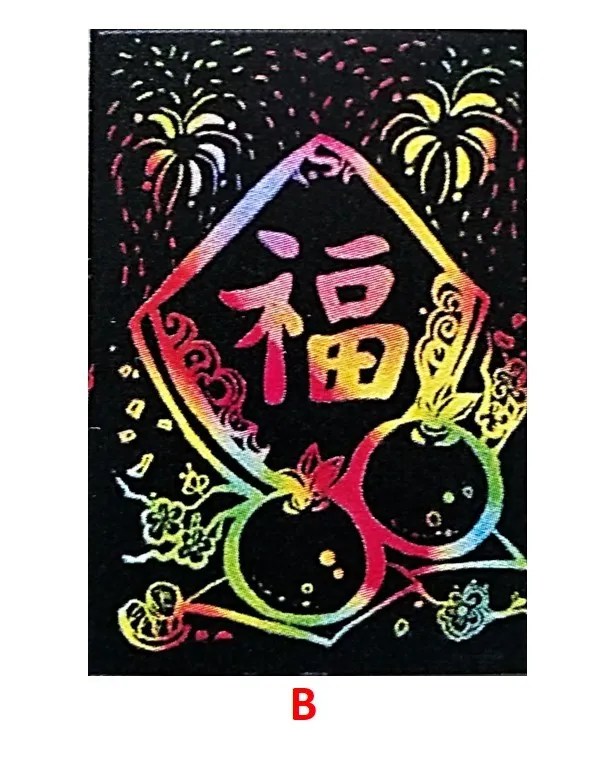
Scratch Art Chinese New Year 1 Xuen Bringing back the joy to kids from www.xuen.com.my World New Year Celebrations
The New Year marks the start of a new year. It is the day that the year's count increases by one. The New Year is celebrated by various cultures, but the Gregorian calendar is the most popular calendar system. You can read on to find out more about the many traditions associated with this holiday. Don't forget to enjoy delicious food
Observance
Every culture has its particular traditions about the beginning of the year. Many celebrate it by performing religious rituals. Buddhists and Hindus present gifts to their elders. The Chinese offer oblations for their gods. These festivals can also be a great time to receive and give good wishes from loved ones and family.
The origins of New Year's Day can be traced to the seventh century when pagans were celebrating Jesus' Annunciation. But some religious leaders did not like the custom to celebrate the New Year on the same day that was the date of the birth of Jesus. The custom of exchanging gifts on this day was introduced around the 7th century in Flanders as well as the Netherlands. It is believed that the Gregorian calendar influenced the practice of celebrating the beginning of the year. Julius Caesar named this month Janus, the Roman god of the beginning of the year. The god was known as a dual-faced god and could look into the past and the future.
Many countries celebrate New Year's Day on January 1. In modern times. According to the Gregorian calendar it is January 1 that marks the date of the year's beginning. Other calendars, for instance the Julian calendar, begin the new year on a different day. However, most cultures recognize the significance of celebrating the New Year and the new beginning that it brings.
Traditions
There are thousands upon thousands of customs which celebrate the New Year. The celebrations can be found across different countries and cultures all over the world. There are many ways that you can kick off the new year.
New Year's Eve celebrations begin on December 31st, and end in the early hours January 1. A lot of people enjoy eating food that bring good fortune. For instance, grapes and legumes are thought to bring prosperity to those who eat them. Similar to this the majority of Americans are known to set off fireworks to celebrate the new year.
Another tradition is consumption of cabbage on New Years Day. It is believed that it will bring prosperity and wealth into the coming year. New York City's giant ball drop in Times Square is an annual tradition. This event has been a part New Year celebrations since 1907. The massive sphere is 12,000lbs in weight today.
A tradition from the Mediterranean called "podariko" is widely practiced on New Year's Eve. This means "good shoe." This custom is rooted in the belief of pomegranates being lucky and a symbol of fertility. People also hang pomegranates from their doors prior to the holiday season. The lucky ones are those who walk right into the home.
Religion
A lot of countries mark the beginning of the new year with religious celebrations. Japan is one example. It gives gifts during Rosh Hashana to Buddhist monks. China celebrates the new Year by making offerings to gods of wealth, life, and ancestral spirits. In certain regions the world, the start of the year is celebrated by an official holiday.
Orthodox Christians celebrate the New Year in the UK with liturgies & feasts. A large number of people attend blessings by prominent Orthodox Christian figures. Some celebrate by hosting dinner parties, social dinners and meals. Many may even light fireworks as a means of celebrating the new year. Whatever you decide to do you choose to celebrate, remember that it is a day that marks the beginning of a new year.
Food
New year's dinners are filled with festive, traditional food. Traditional lavish and extravagant food options could include Champagne or oysters. Smoked salmon, foie gras and other traditional food items are also available. There are many options, such as turkey or smoked salmon as main dishes. Lobster, venison or scallops are all common choices for new year's dinner.
These foods can be included in various cultures, even although they aren't required. Grapes have a lot of luck in a variety of countries. The grapes are eaten by the people of each chime that rings at the end of each year. This is symbolic of good luck and good fortune for the coming year.
In many regions of Asia, fish is associated with prosperity, wealth and abundance. Japan is an example of this. Eating herring on New Year's Day signifies that the next year is one of prosperity. Herring that is picked from Scandinavia is also associated to abundance. Among Swedes, eating a large amount of fish is believed to bring luck.
Holidays
Many cultures celebrate holidays in the year of the pig with special meals and celebrations. There are many countries that celebrate the holiday with symbols of food, such as cabbage to ensure prosperity. The black-eyed pea is a symbol of luck and good luck in America. Asian cultures celebrate their holidays with special food. The most elaborate dishes contain ingredients with symbolic names and appearances.
The time of the holiday spans between one and four days. The New Year's Day falls on the first day of January. In 2022 New Year's Day is expected to fall on the weekend of a Saturday. The holiday period will be 3.25 Days long.
Other than the four bank holidays to celebrate the New Year there are many other bank holidays. The Queen's Platinum Jubilee celebration in 2022 will be followed by the creation of a four-day bank holiday. People can enjoy up to three days off on December 28, the Queen's birthday.
The final days of the year can be a great moment to celebrate and get rid of the past and look forward to a better future. Students also get some time off, which makes it a great chance to be with their family members.
Date
In most countries in the world, the New Year begins in January. The New Year is celebrated by singing, dancing and exchanging gifts. It is the longest-running holiday and its roots are in Babylon. The festival was originally celebrated over 11 days in spring. The date of the festival was moved to this year to celebrate Jesus Christ's birth.
Since 1582 the date for the New Year has changed slightly across the world. In 1582 the Pope Gregory XIII changed the calendar by moving the New Year to the first day of January to maintain the equilibrium between the seasons and calendar. After several years, the New Year's date was finally set on January 1st.
Other cultures also celebrate New Year's Day in other cultures. For instance, the Chinese celebrate Lunar New Year, February 11th and 26th, respectively and the Hindus are celebrating the Hindu New Year the 20th of February. The solar and lunar cycles are the foundation for the Hindu panchanga or Hindu calendar. The Hindu calendar that is based upon the seasons and days, was established in the year 57 BC. The Hindu Year is a leap year and the date varies every year depending upon leap years.
Origin
It is not clear exactly where the new year came from. Some believe it came from the past of China. Chinese mythology says that the mythical creature, with the head and body of of an animal, but the body of the lion, hid in the ocean , and emerged on New year's Eve. It was terrified of to be afrightened by noise, fire and color. Chinese culture celebrates the beginning of the new year with red canvases.
The Roman early calendar had 10 months. Each one was a 304 days, and the year that followed started in March. In the early calendar, the ninth through 12th years were known as the seventh and tenth months. Julius Caesar, an ancient Roman leader, invented an astronomical calendar based on the sun. This calendar is very similar with our modern calendar.
Many Asian cultures still celebrate the new year using the lunar calendar. China and Korea remain a traditional calendar. The new year starts at the moment that the first lunar day, which is the day following the winter solstice.
This is because you will likely have to pay for storage. 2023 is the year of the water rabbit, starting from january 21st, 2023, and ending on february 9th, 2024. Chinese new year is thought to date back to the 14th century bc, when.
This Year The Animal Sign Is The Rabbit.
More than a billion people across the world will be celebrating lunar new year 2022 on 1 february. 2023 is a year of the rabbit according to the chinese zodiac. The chinese zodiac year's stsarting date is a little different from the.
Chinese New Year 2023 Falls On Sunday, January 22Nd, 2023, And Celebrations Culminate With The Lantern Festival On February 5Th, 2023.
The lunar new year as a celebration is observed by. Chinese new year, also known as lunar new year and spring festival, is celebrated in the united states by its large chinese community. Chinese zodiac years are represented by 12 animals.each chinese lunar year has a chinese zodiac sign animal.
Night Of The Hangry Horde;
Lunar new year is the beginning of a calendar year whose months are moon cycles, based on the lunar calendar or lunisolar calendar. It marks the beginning of the new year in the chinese. This is because you will likely have to pay for storage.
However, Celebrations Traditionally Continue For 16 Days, Beginning On Chinese New Year’s Eve (January 31) And Ending On.
The chinese zodiac gives each year an animal sign. Afterwards, families will go together to lunar new year fairs where they buy flowers, fresh produce, and novelties containing lucky messages or designed in the likeness of the chinese. Chinese new year is the first day of the.
Chinese New Year Is Thought To Date Back To The 14Th Century Bc, When.
Night of the hangry horde; 3.get your finances in order. Chinese new year for the year 2023 is celebrated/ observed on sunday, january 22.
Post a Comment for "Chinese New Year 1"